What an AI Game Master can do (and what it can't)
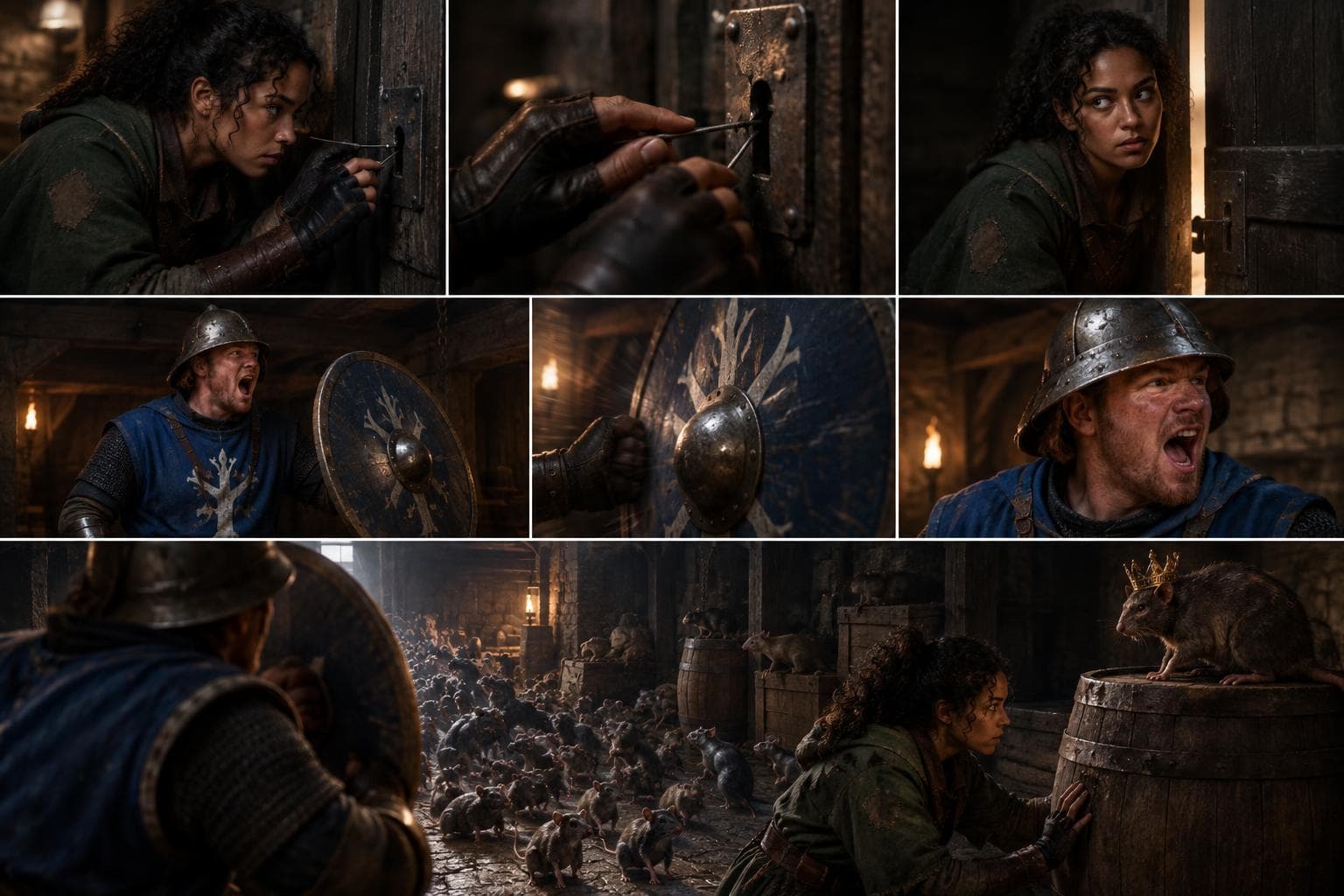
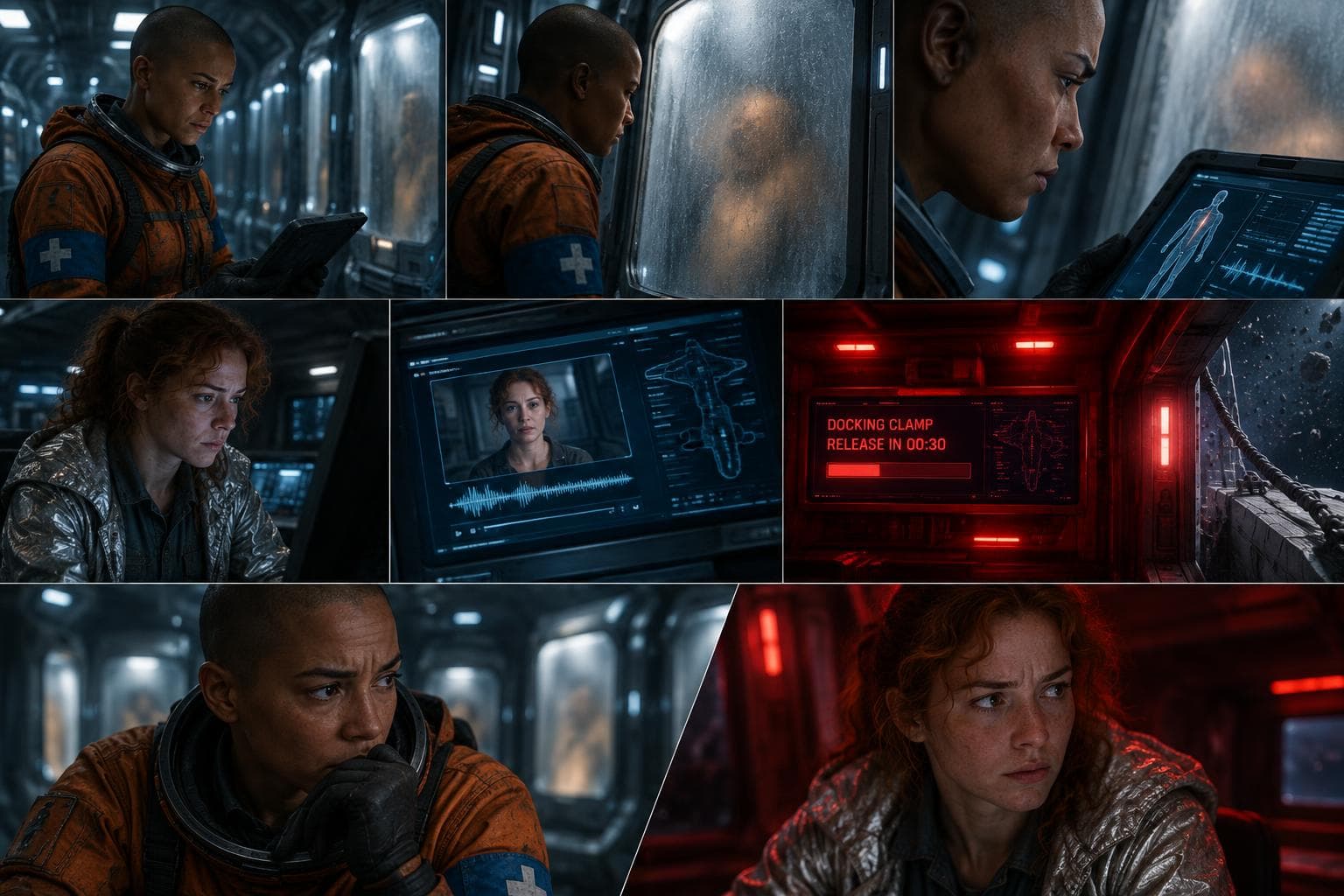
Every group that plays tabletop RPGs knows the problem: someone has to be the Game Master, and that someone does a lot of work. An AI Game Master takes that job so everyone can play. Here's what it actually does well, and where the players still matter most.
It never cancels
The obvious win is availability. No prep, no scheduling around one person, no session cancelled because the GM is ill. You can play a ten-minute round on the bus or a three-hour session on a Friday, solo or with friends.
It runs the world, not just the dialogue
A good Game Master doesn't only react; they run the plot. Rollcall's Game Master keeps a current goal for the party, has rivals and employers pursue their own plans between your moves, and makes sure scheduled events actually happen: if a payment clears on Friday, it arrives on Friday.
It also keeps the rules honest. You can only use what's in your inventory, money you spend comes out of your cash or bank, and claiming you "always had a knife in my boot" doesn't make it so. That bookkeeping is what makes choices feel real.
It rolls real dice
Chatbots tend to say yes to everything or decide outcomes on a whim. Rollcall uses a real d100 roll for risky moves, plus five points per level of the skill you're using and a modifier for the situation. A clever or funny plan earns a bonus. Skills level up as you use them, and at levels 3 and 5 you unlock perks.
The host picks how hard things are. On Balanced, sensible plans usually work and real risks can still go wrong; Heroic makes the party the stars; Gritty uses realistic odds.

It remembers
Long campaigns are where most AI stories fall apart: names change, items vanish, last week's betrayal is forgotten. Rollcall keeps a running summary of the whole story alongside the latest rounds word for word, plus a record of every character's sheet and everyone you've met, so a choice from twenty rounds ago can still come back around.
Where it still needs you
An AI Game Master is only as interesting as the players' choices. It will run a scene, but it can't make you care about your character; that's your job. Give your character wants, grudges and bad habits, and play them.
It also won't read the room the way a friend does. If your group wants more action or more jokes, say so in your moves, or change the difficulty. And if a scene goes somewhere your table doesn't want, simply play your character out of it.
Try it now
Start a solo game in a few seconds with no account, or open a room and invite your friends.